
Nutrition 101
Nutrition is the process of providing your body with the essential nutrients it needs for growth, health, and energy. The building blocks of nutrition are macronutrients (carbohydrates, proteins, fats) and micronutrients (vitamins, minerals, water). A balanced diet emphasizes obtaining a variety of these nutrients through fruits, vegetables, whole grains, lean proteins, and healthy fats, alongside proper hydration, to ensure you have all the necessary components to keep your body running efficiently and optimally.
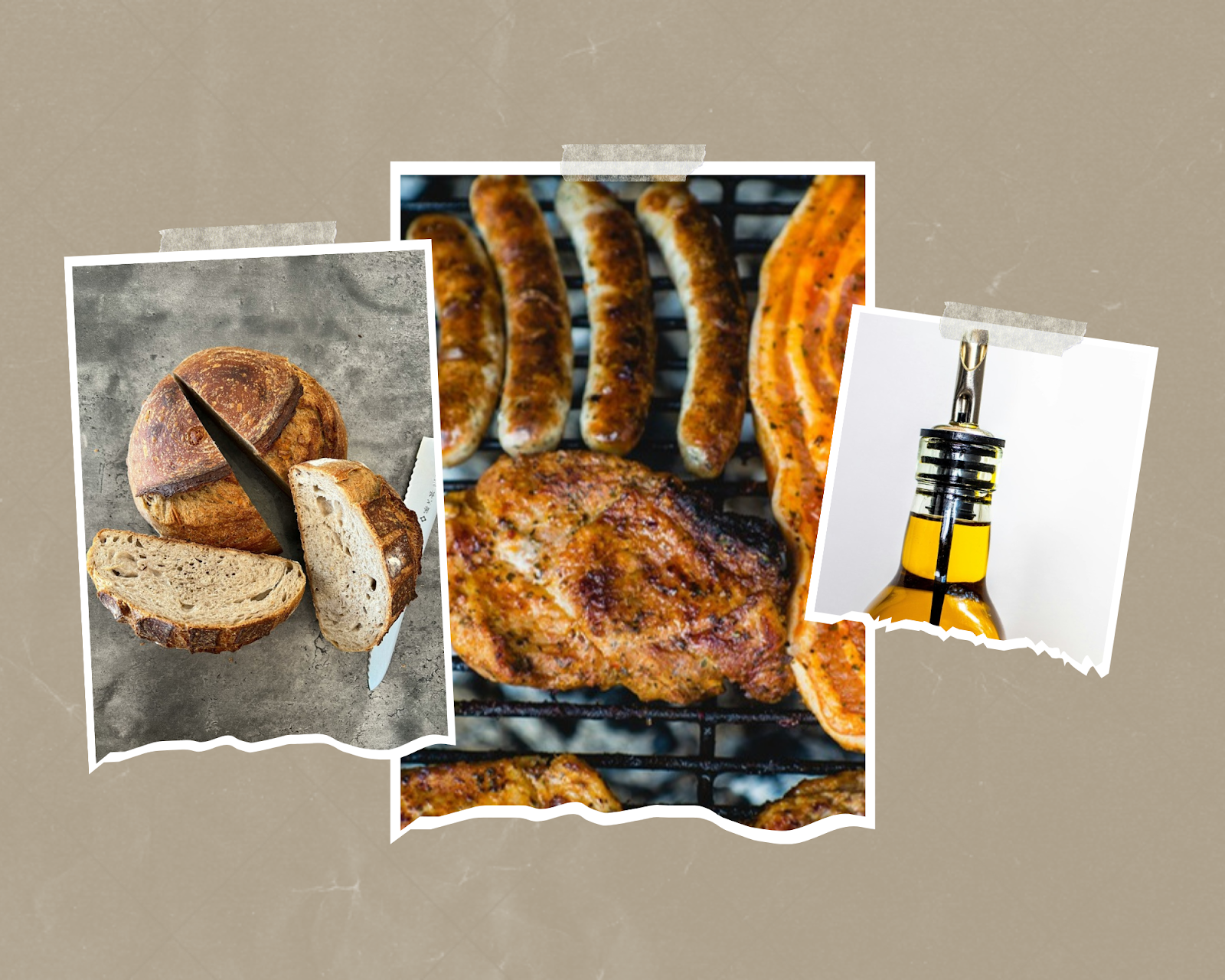 The Building Blocks of Nutrition
-
Macronutrients: These provide your body with calories, which then provide energy.
-
Carbohydrates: The body's primary fuel source. Typically found in plant based sources such as whole grains, fruits, and vegetables.
-
Fiber: Non-digestible carbohydrate that is crucial for digestive health and satiety
-
-
Proteins: Essential for the building and repairing of cells and tissues. Good sources include meats, fish, legumes, seeds, and nuts.
-
Fats: Important for energy, vitamin absorption, and slowing digestion. Fats can come from both plant based sources and animal sources.
-
-
Micronutrients: These do not provide calories but are vital for bodily functions.
-
Vitamins: Organic compounds critical for supporting many of the main functions of the body
-
Minerals: Inorganic compounds that form some of the structure of the body, as well as supporting certain functions in the body
-
-
Water: An essential nutrient vital in many of the functions of the body, from transporting nutrients throughout the body to carrying waste products out of the body.
How to Build a Balanced Plate

-
Eat the Rainbow: Aim for half your plate to be colorful fruits and vegetables for diverse nutrients.
-
Good Protein: Dedicate a quarter of your plate to a source of protein, such as fish, poultry, or plant-based options like tofu.
-
Whole Grains: The remaining quarter should be whole grains for sustained energy
-
Healthy Fats: Add a sprinkle of seeds or nuts, or add a drizzle of olive oil to your meal
Practical Tips for Healthy Eating
-
Focus on whole foods (And I don’t mean the store): Prioritize nutrient dense options like fresh and frozen fruits and vegetables, whole grains, lean proteins, nuts, and seeds.
-
Stay hydrated: Make an effort to drink enough water throughout the day.
-
Limit added sugars and salt: Choose low sugar options, use herbs and spices instead of salt, and cook more at home to control ingredients.
-
Listen to your body: Pay attention to how different foods make you feel to understand your individual needs.