
A recent trend in popular health foods is adding resistant starches to foods to help boost its fiber content without changing its texture or taste. This is a spinoff of functional foods. Resistant starch is a unique type of carbohydrate that bypasses digestion in the small intestine and ferments in the large intestine to support gut health. Unlike regular starches that break down into sugar and enter your bloodstream quickly, resistant starch has a low impact on blood sugar and acts like a prebiotic fiber
What Is Resistant Starch?
Regular starches break down into glucose molecules in your small intestine, giving your body quick energy but raising your blood sugar. Resistant starch gets its name because it "resists" this breakdown. Instead of turning into sugar right away, it passes mostly intact into your colon.
Once it reaches the large intestine, it acts like a prebiotic fiber. Your good gut bacteria feed on it and break it down through fermentation. This process creates helpful byproducts called short-chain fatty acids, including butyrate, acetate, and propionate.
 Best Food Sources
You can find resistant starch in several everyday foods:
-
Legumes: Beans, lentils, and peas provide high natural amounts in a compact form.
-
Unripe Bananas: Green bananas and plantains contain high levels that decrease as they ripen into regular sugar.
-
Whole Grains: Oats, barley, and whole-wheat kernels offer steady nourishment and plenty of resistant starches.
The Cook-and-Cool Trick
You can actually increase the amount of resistant starch in your food using a simple kitchen technique. When you cook starchy foods like potatoes, rice, or pasta, the heat makes the starch easy to digest.
However, if you let those cooked foods cool in the refrigerator (for instance, making potato salad, pasta salad, or overnight oats), the starch molecules reorganize into tighter structures. This process—called retrogradation—turns some of the regular starch into resistant starch. Even if you reheat the food later, a good portion of that resistant starch remains stable.
Health Benefits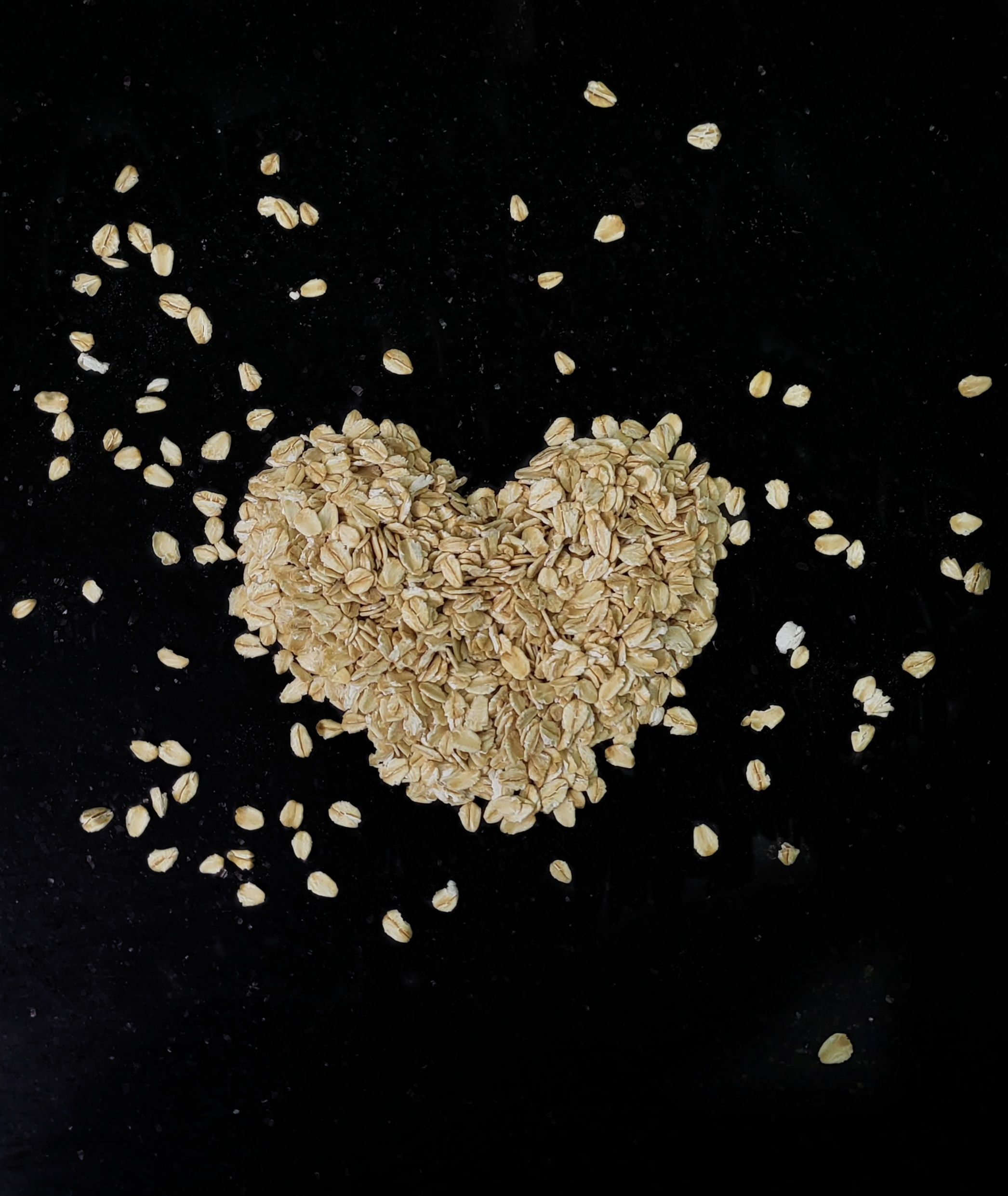
Resistant starches have a lot of potential benefits for consumers.
-
Regulate Blood Sugar: Because resistant starch does not break down into fast-absorbing sugar in the small intestine, it avoids sharp blood sugar and insulin spikes.
-
Improved Gut Health: It feeds friendly bacteria in your microbiome, which helps maintain a healthy protective lining in your bowel.
-
Appetite Control: Fermentation triggers signals that help you feel full for longer after a meal, aiding in weight management.
-
Lower Cholesterol: Studies suggest it can help reduce total cholesterol and support heart health.
Add these foods slowly and drink plenty of water to give your digestive system time to adjust and prevent bloating.